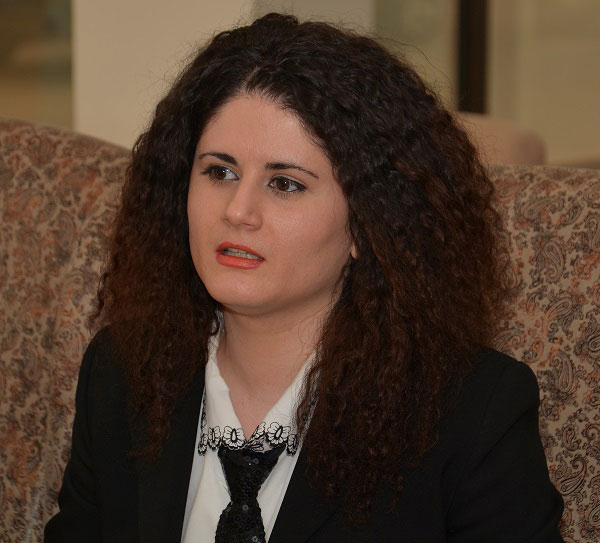
For millions of television viewers, Melanie Watson will always be remembered as Kathy Gordon — the courageous young girl in a wheelchair who appeared on the beloved sitcom Diff’rent Strokes. But behind the scenes, her real-life story was even more inspiring than the role that made her famous.
Watson has sadly passed away at the age of 57, according to her brother Robert Watson, who confirmed the news from Colorado Springs, Colorado. He also revealed that she had recently been hospitalized before her death.
Born in Dana Point, California, in July 1968, Melanie Watson entered the world facing extraordinary challenges. She was diagnosed at birth with osteogenesis imperfecta — commonly known as brittle bone disorder — a rare genetic condition that causes extremely fragile bones and can lead to repeated fractures, chronic pain, and physical limitations.
Yet despite those obstacles, Watson refused to let her condition define her future.
From a young age, she pursued acting and eventually landed the role that would make her unforgettable to audiences across America. Between 1981 and 1984, she appeared in four episodes of Diff’rent Strokes, starring alongside Todd Bridges and Gary Coleman.
Her character, Kathy Gordon, was specifically created for her — something that was remarkably rare at the time. In an era when people with disabilities were seldom represented authentically on television, Watson’s appearances helped bring visibility and humanity to stories that audiences rarely saw on mainstream TV.
But portraying Kathy was not always easy.
In a 2020 interview, Watson reflected on one particularly emotional storyline in which her character was encouraged to walk using crutches despite her fears. The actress admitted she initially resisted filming the scene because she had previously suffered a frightening fall and was terrified of repeating the experience.
“I did not want to do that,” she recalled, explaining that she felt the moment reflected someone else’s dream rather than her own comfort level.
Still, after encouragement from those around her, she ultimately filmed the episode — something she later viewed with pride.
Watson also praised legendary television producer Norman Lear for pushing boundaries and helping create opportunities for disabled performers during a period when representation in Hollywood was extremely limited.
Looking back years later, she realized just how groundbreaking her role had been.
“I didn’t realize what a privilege it was to be the first one out there,” she once said, expressing gratitude for being part of something larger than herself.
Though her acting career was relatively brief, Melanie Watson left a lasting impact. For many viewers, especially young people living with disabilities, seeing someone like Kathy Gordon on television was meaningful in ways words could hardly capture.
Her story remains a reminder that representation matters — and that even a small number of appearances can leave a lifelong impression on audiences around the world.
Rest in peace, Melanie Watson.